What a sidewalk shed is
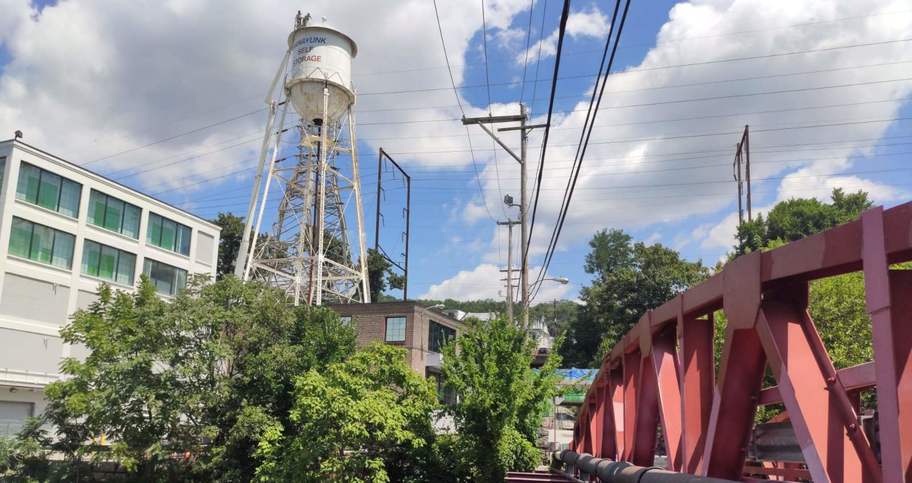
A shed is a frame of steel or aluminum posts and beams with a solid deck on top, usually with lighting underneath and a parapet along the edge. Pedestrians walk under it while work goes on above. It is engineered, permitted and inspected like any other temporary structure, and it stays up until the work is finished or the unsafe condition above it is fixed.
When New York requires one
- Construction and demolition of taller buildings, to protect people on the sidewalk below.
- Facade work that puts falling debris over the public way.
- An unsafe facade. When a Local Law 11 (FISP) inspection finds an Unsafe condition, public protection goes up right away and stays until the repair is done.
That last reason is why so many sheds stand for years: the shed goes up quickly, and the repair it was built for waits.
What changed in 2026: Local Laws 48 and 51 of 2025
| Rule | What it means |
|---|---|
| 90-day permits | Shed permits issued or renewed from February 2, 2026 expire every 90 days, down from up to two years. |
| $130 per renewal | Permits no longer renew automatically in DOB NOW. Each renewal is filed and paid. |
| Work must be under way | From the second renewal, the owner must be doing the repair the shed is there for, or face penalties. |
| Penalties first | A permit cannot be renewed until DOB penalties for the shed are paid. |
DOB has also proposed penalties for sheds kept up longer than 180 days. Rules change, so check DOB for the current version before you plan. More in sidewalk shed alternative.
When you can skip the shed
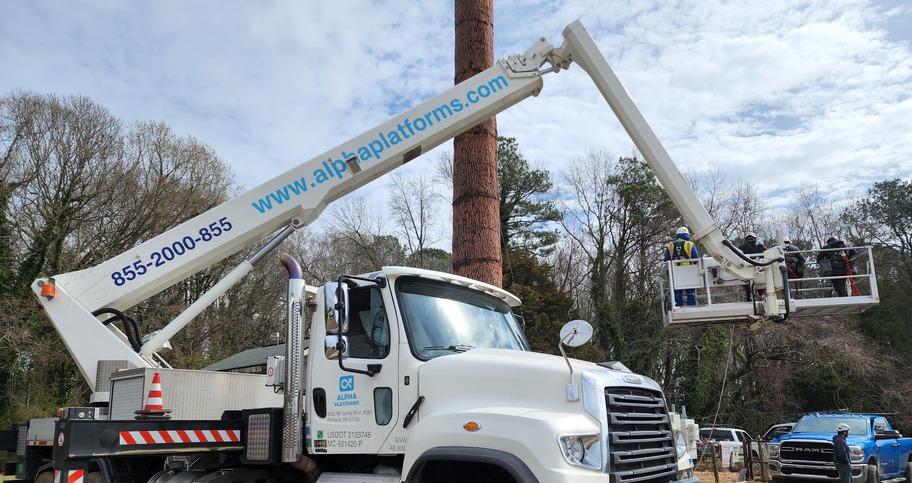
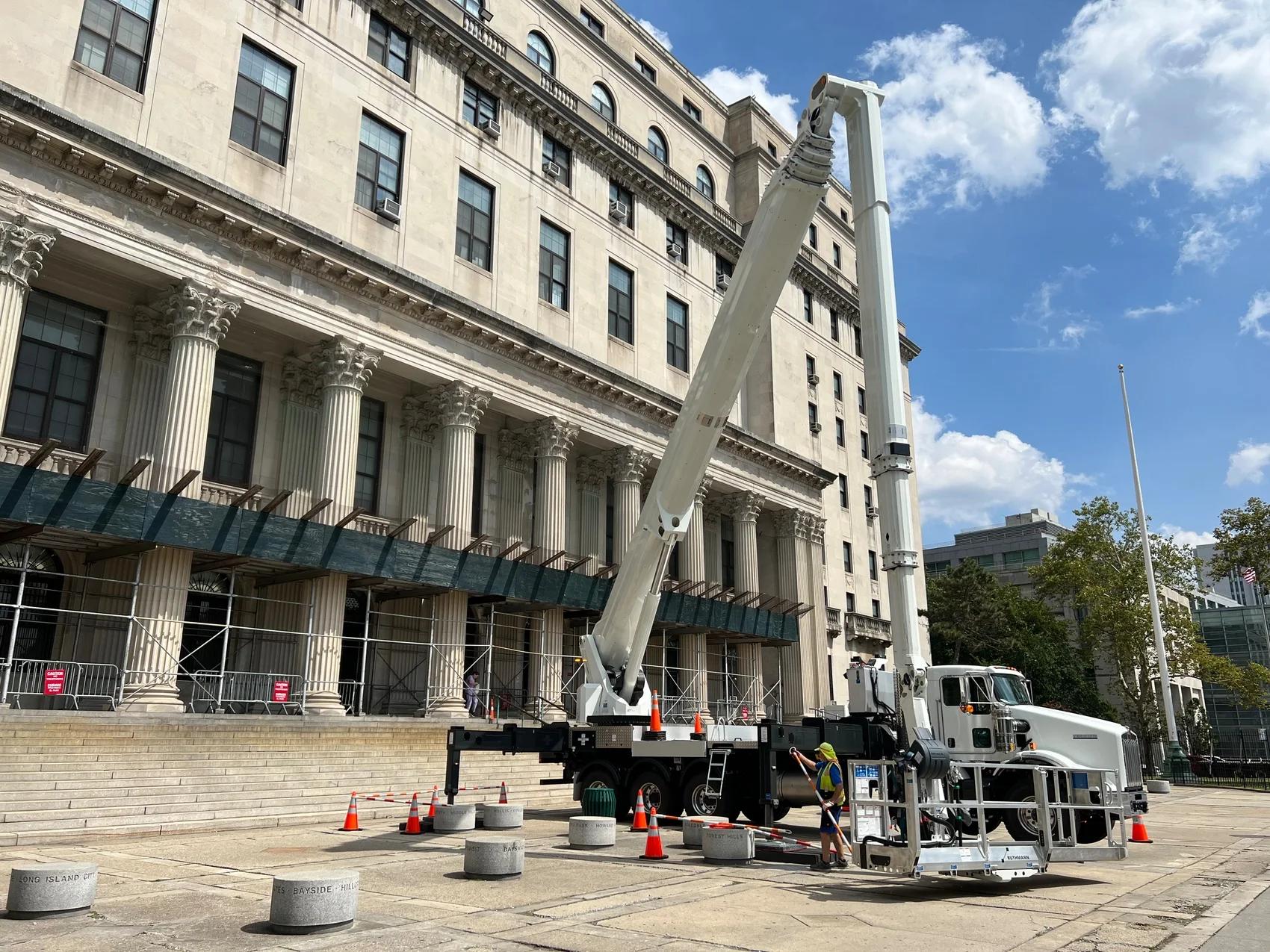
A shed protects the public while a hazard or long-term work sits above the sidewalk. When the work is short, it can be done from a lift instead:
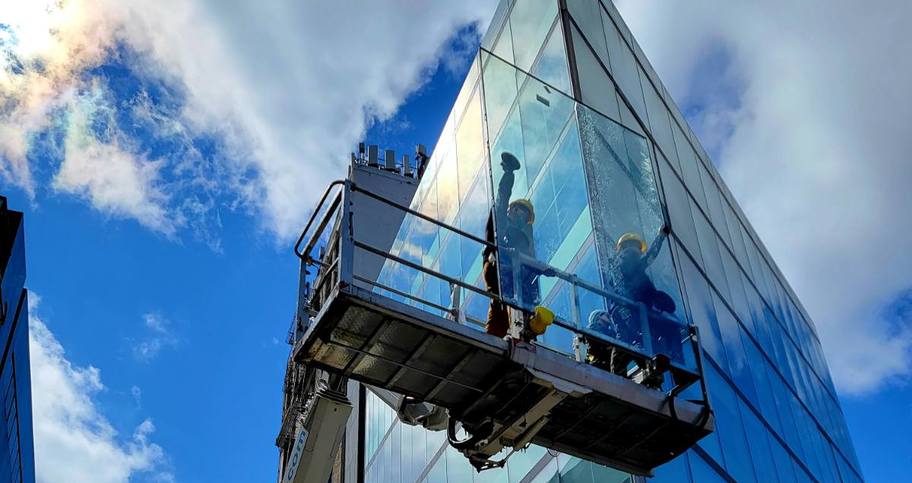
- The FISP close-up inspection. The inspector works from the basket, drop after drop, and the lift leaves the same evening. See Local Law 11 inspections.
- Short repairs such as loose stone, caulking, a cornice or a sign, done in days instead of months.
- Finishing the repair faster where a shed is already up because of an Unsafe condition, so it can come down sooner.
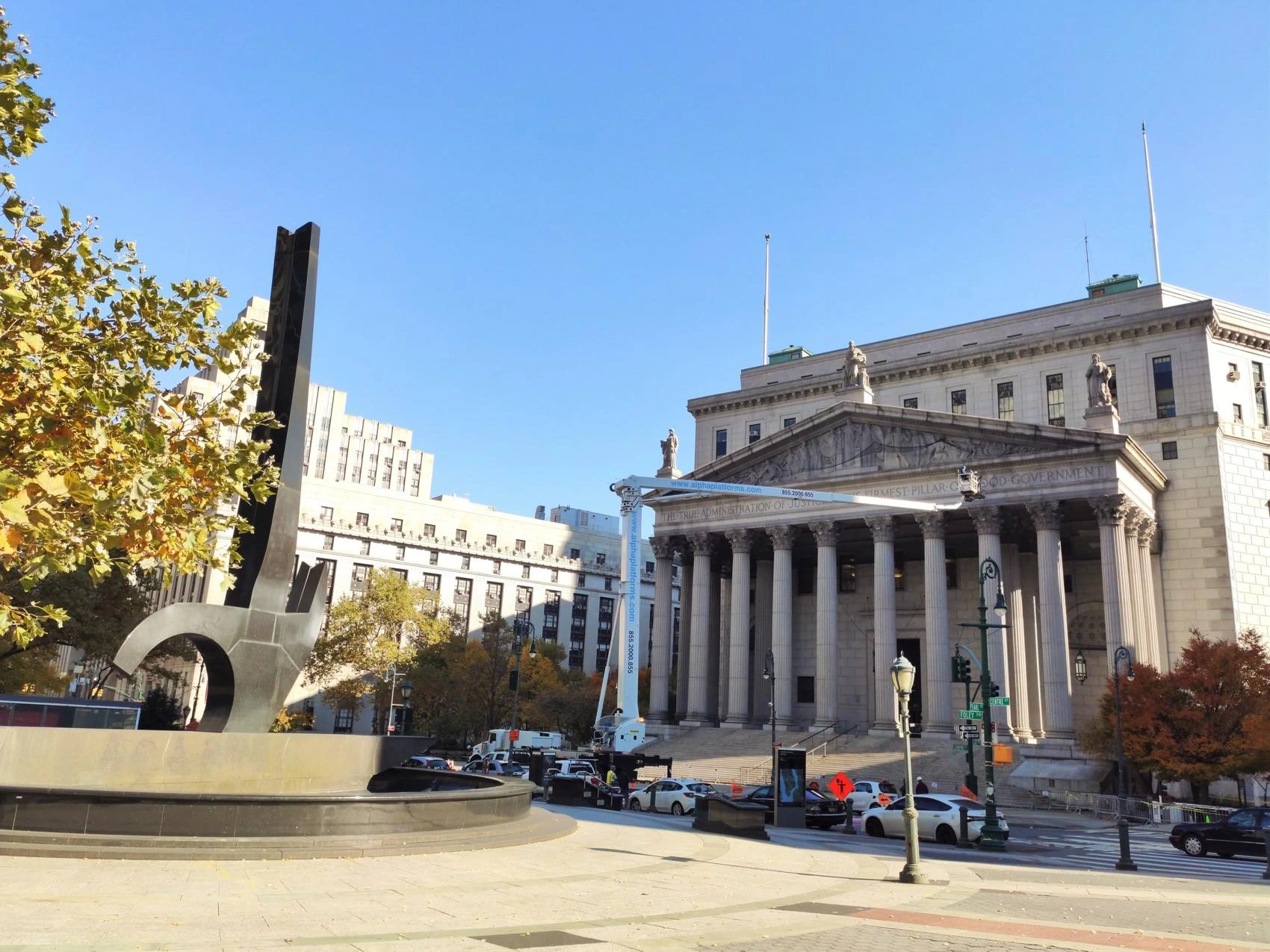
The lift works under a street permit with a coned-off zone and flaggers: it sets up in the morning and is gone by night. It is not a substitute where DOB requires protection to stay until a repair is done.
At Macy's Herald Square, a full NYC block with about 1,900 ft of frontage, street permits allowed night work only. Our A‑300 moved the basket along the facade without moving the truck, three flaggers kept the street clear, and two inspectors finished the close-up inspection in five nights.
Shed or lift: compare the cost
You pay for a shed as long as it stands: the frame, the permit renewals and the time. With a lift, you pay for the days it works. Our shed vs lift calculator compares the two for your building, and the boom lift vs scaffolding page shows when a fixed structure is still the right call.
Quick answers
What is a sidewalk shed?
A temporary covered walkway over the sidewalk that protects pedestrians from falling debris during construction, facade work, or when a facade has been found unsafe.
How long can a sidewalk shed stay up in NYC?
Since February 2, 2026, shed permits last 90 days and must be renewed and paid for, at $130 per renewal. From the second renewal, the repair the shed protects must be under way.
Why are there so many sidewalk sheds in New York?
Sheds go up quickly when work starts or a facade is found unsafe, and many stay for years while the repair waits. The 2026 rules are meant to bring them down sooner.
Do you need a sidewalk shed for a Local Law 11 inspection?
Not for the close-up inspection itself: it can be done from a lift that works for the day and leaves. If the inspection finds an Unsafe condition, DOB requires public protection until the repair is done.
How much does a sidewalk shed renewal cost?
$130 per renewal under the 2026 rules, every 90 days, on top of the cost of the shed itself.